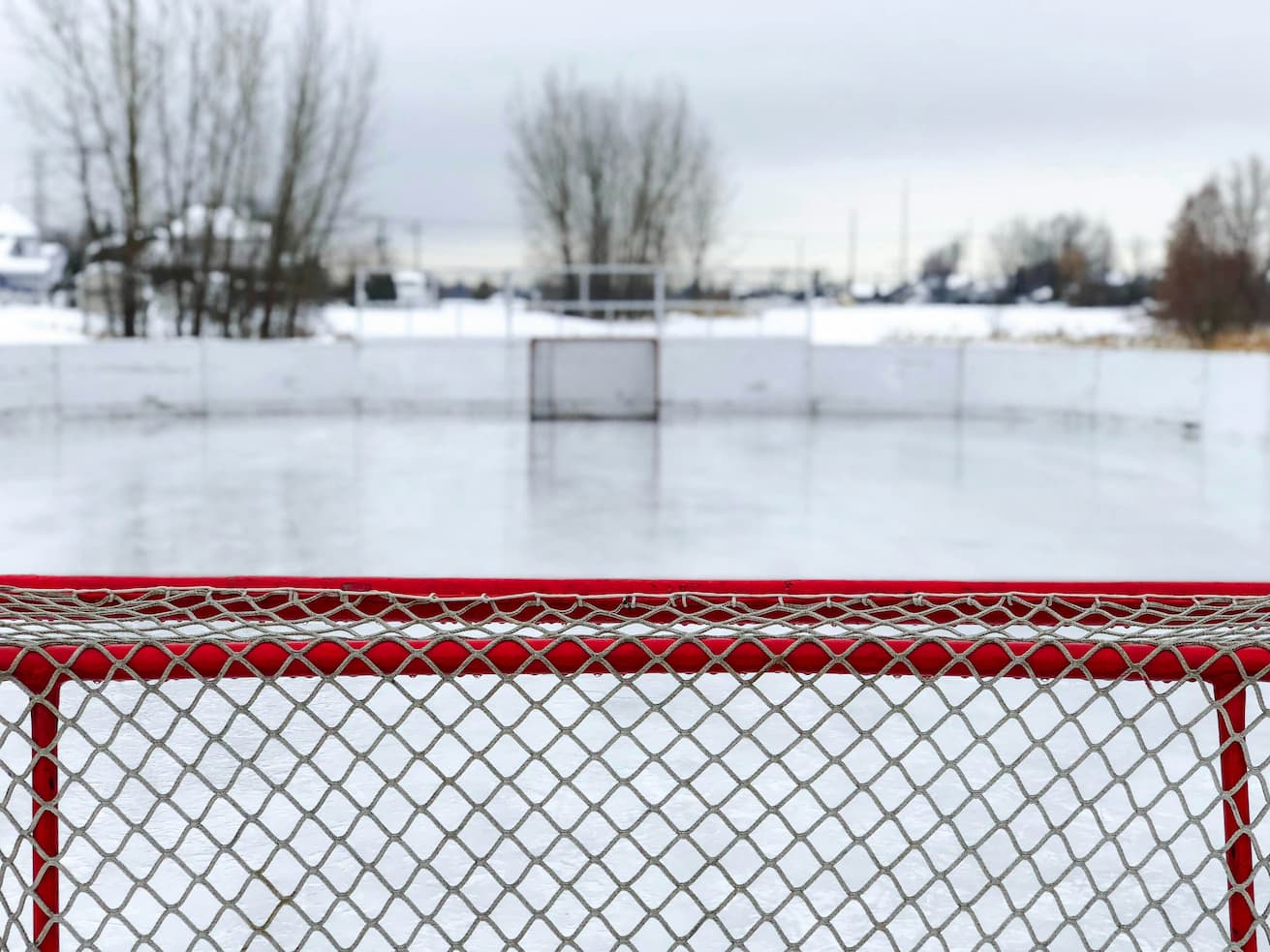
The hockey goalie plays a critical and demanding role. They must stop pucks flying over 100 mph. This requires immense physical and mental focus. Over time, goalie gear has transformed the game. It has made players safer and improved their performance. From simple designs to advanced technology, the evolution of gear shows how innovation meets necessity.
Early Days: Basic Protection
In the hockey you watch on TonyBet, goalies wore very little protection. Wool jerseys, simple shin pads, and gloves gave minimal safety from frozen pucks. Without specialized gear, injuries were common. Many goalies suffered broken bones and facial cuts. Playing without masks meant relying on reflexes and bravery, often at a high cost.
The 1920s brought leather pads, a major step forward. These pads, stuffed with deer hair or similar materials, provided some protection. However, they were heavy and soaked up water during games. Goalies kept experimenting, adding makeshift padding to gloves and chest protectors to lessen the impact of pucks.
The Game-Changer: The Goalie Mask
The goalie mask is one of hockey’s most iconic symbols. In 1959, Jacques Plante, a Montreal Canadiens goalie, changed the game. After a facial injury, he wore a fiberglass mask during a match. At first, many were skeptical, but the mask soon became standard. Players and fans saw its life-saving potential.
Fiberglass masks eventually evolved into high-tech versions. Today, they are made from carbon fiber and Kevlar. These materials provide better protection, comfort, and visibility. In the 1970s and 1980s, cage-style masks were introduced. They improved ventilation and visibility, boosting goalie performance. With these advancements, goalies gained confidence to play more aggressively and effectively.
Modern Innovations: Lightweight and Protective Gear
The late 20th and early 21st centuries brought rapid changes to goalie gear. Manufacturers began using advanced materials like high-density foams, carbon fiber, and synthetics. These made equipment lighter and more protective. Leg pads evolved from bulky leather to sleek designs with adjustable straps and sliding surfaces. This improved mobility and precision.
Chest and arm protectors also advanced. Modern designs use segmented padding and moisture-wicking materials. These keep goalies dry and flexible during intense games. Gloves and blockers were refined for better puck control and wrist mobility. This helps goalies make precise saves and direct rebounds away from danger.
Goaltender skates and knee guards saw major innovations too. Custom skates now have reinforced toe caps and lightweight blades for better balance and agility. Knee guards protect against injuries from the butterfly style, which is a key part of modern goaltending.
Impact on Safety
Advancements in goalie gear have greatly improved safety. Injuries to the head, chest, and limbs have decreased. This allows players to enjoy longer careers and focus on their skills. Concussions, once a big concern, are now less common. Better helmet and mask designs absorb and spread out impact forces.
Still, safety is an ongoing challenge. Players now shoot harder with advanced sticks. Manufacturers must keep innovating. They need to protect goalies while preserving their mobility.
Enhancing Performance
Modern goalie gear has changed how the position is played. Lightweight equipment allows faster side-to-side movement. Better padding and design support aggressive styles like the butterfly technique. Protective gear also boosts confidence. It helps goalies challenge shooters and make bold, game-saving plays.
Goalie Gear
The evolution of goalie gear shows the balance between safety and performance. Early 20th-century pads were simple and basic. Today’s gear is high-tech and advanced. These improvements have protected players and reshaped goaltending. As technology advances, goalie gear will keep improving. The future promises better protection and innovation, keeping the position exciting and essential.